

The Guide Worth Following
What Gandalf Can Teach Your Brand About Trust

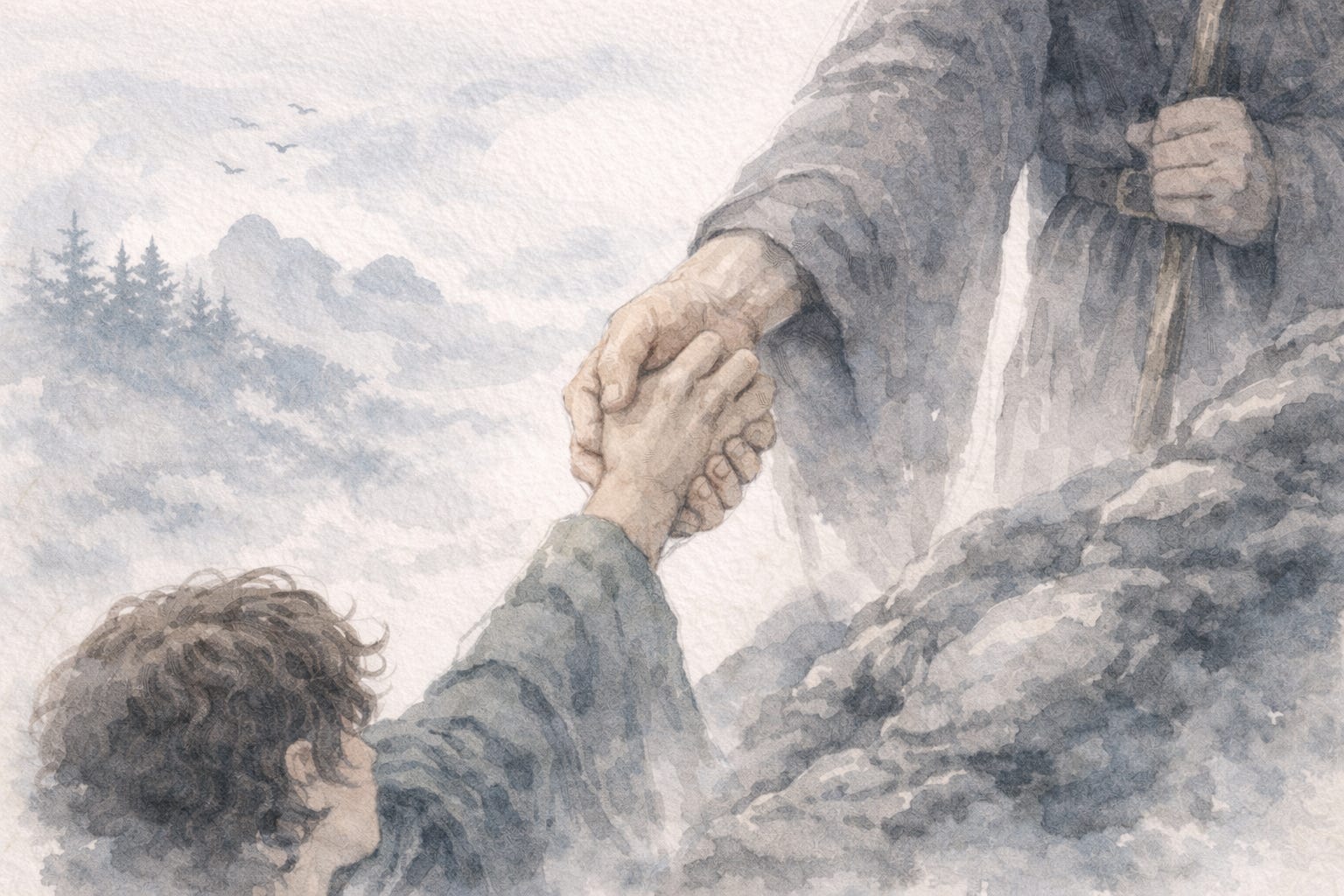
If Gandalf joined your next marketing team meeting, here’s what he wouldn’t say:
“Launch more ads.”
“Add another feature to the deck.”
“Let’s boost spending until buyers notice us.”
Instead, he’d lean on his staff, lower his voice, and remind you of the one force that rules them all: Trust.
Because without trust, no amount of messaging, targeting, or spend matters.
Your buyers are not orcs waiting to be beaten into submission by impressions. They’re heroes choosing whether to follow you on a journey.
And Gandalf knew better than anyone: no one follows a guide they don’t trust.
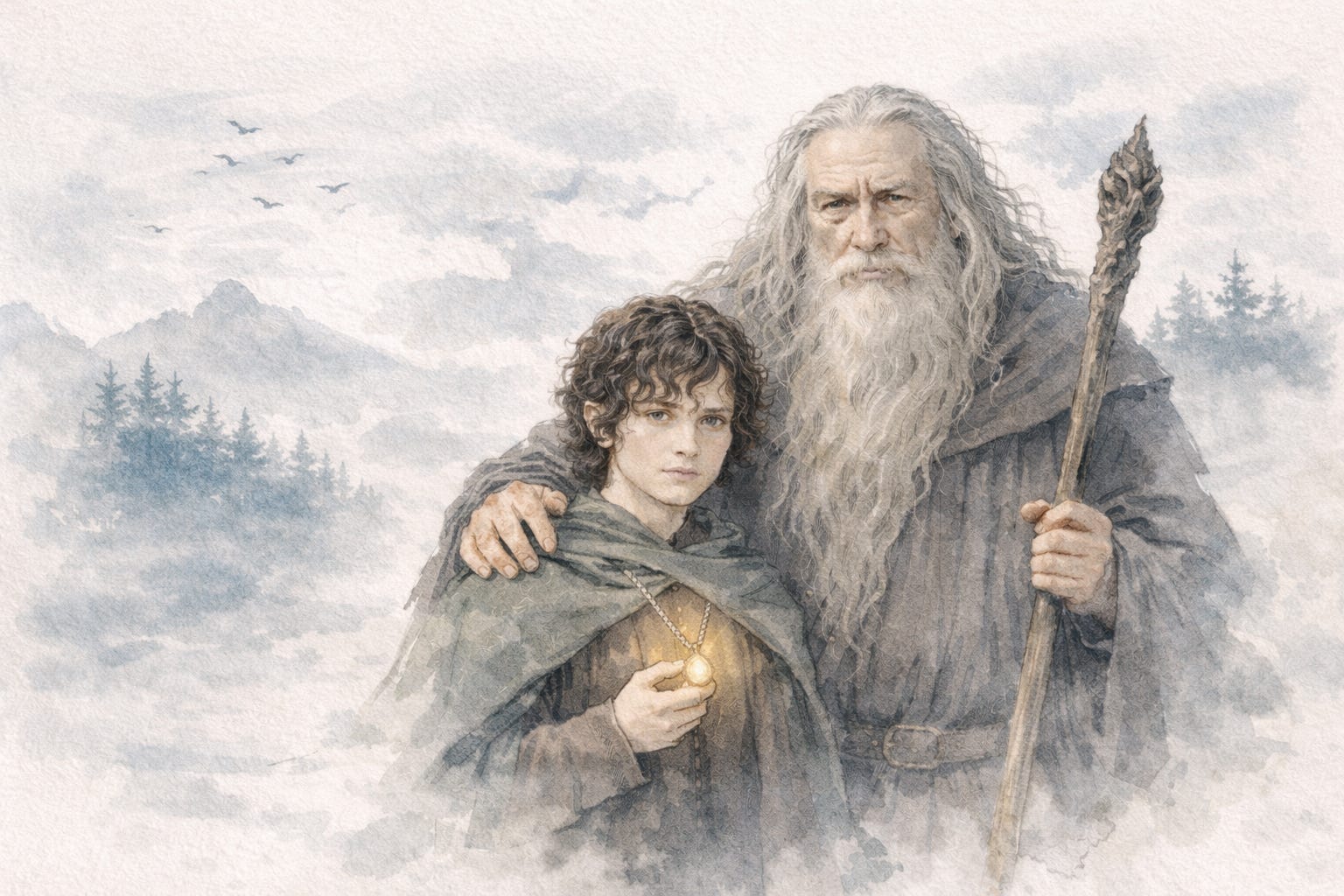
The Guide Principle
Every great story has a hero (that’s your buyer) and a guide (that’s you). The guide’s job is not to steal the spotlight and boast about themselves, but to:
Show empathy: “I’ve walked this road before.”
Offer authority: “I know the path forward.”
Build belief: “You can trust me to get you there.”
Gandalf never carried the Ring. Frodo did.
But Gandalf made Frodo believe he could.
That’s the positioning shift your marketing needs: less “Look at us”, more “Here’s how we’ll help you win.”
Why It Works (The Science Bit)
Oxytocin is the “trust hormone.” It releases when buyers feel seen, safe, and guided.
Pair it with dopamine (the anticipation of reward), and suddenly you’ve got belief + momentum.
Brands that master this don’t just acquire customers. They create tribes. And tribes defend, amplify, and stick with you. I touch on this in detail in my other posts here.
Good Example — Patagonia (Trust Through Values)
Patagonia doesn’t just sell jackets. They say: “We’re in business to save our home planet.”
Empathy: They acknowledge the climate anxiety their customers feel.
Authority: They back it with real commitments (like donating profits to environmental causes).
Belief: Buyers trust Patagonia because the brand sacrifices margin for mission.
That’s Gandalf-level guidance: stand for something bigger than yourself.
Good Example — Airbnb (Trust Through Design)
Airbnb understood that trust was the barrier to staying in a stranger’s home.
Empathy: “We know you’re nervous about safety.”
Authority: They built features like host reviews, insurance, and 24/7 support.
Belief: Over time, buyers trusted the platform enough to change an entire industry.
Airbnb didn’t “shout louder.” They engineered trust into the product and the story.
Weak Example — WeWork (Trust Broken)
At its peak, WeWork was valued at $47B. Then trust collapsed.
Empathy: Thin. The story was more about the founder’s vision than members’ struggles.
Authority: Questioned, as finances unraveled.
Belief: Shattered. Customers and investors felt misled.
Lesson? You can’t shortcut trust. Without it, even billion-dollar valuations vanish.
How to Use It
To play Gandalf for your buyers, your marketing needs to consistently:
Lead with empathy. Show you understand the stakes they’re facing.
Example: Instead of “We automate workflows,” try: “Every ops leader feels the pressure to deliver more with half the team.”
Prove authority. Back it with data, customer wins, or product proof.
Example: “That’s why companies like X and Y use us to reclaim 40% of their team’s time.”
Build belief. Use stories, not slogans, to show transformation.
Example: Case studies that show the hero’s risk, decision, and reward.
Do This Today
Audit your homepage or top-of-funnel campaign.
Is the hero your buyer — or your product?
Does the copy mirror their fears before promising a solution?
Do you offer proof and authority so they believe you?
If the answers are fuzzy, your story is missing its Gandalf.
Rewrite until your buyer sees themselves as Frodo, and your brand as the guide they trust to reach Mordor.
Your product can’t be the hero. Your buyers are.
But they’ll only follow the journey if they trust the guide.
So the next time your team debates features, copy, or ad spend, ask:
“Would Gandalf approve of this?”
If the answer is yes, you’re building more than campaigns.
You’re building loyalty, belief, and revenue that endures.
Trust first. Everything else follows.
If your brain just lit up reading this. (Hello, dopamine.) Keep the good vibes coming and subscribe to get the next play in your inbox.